
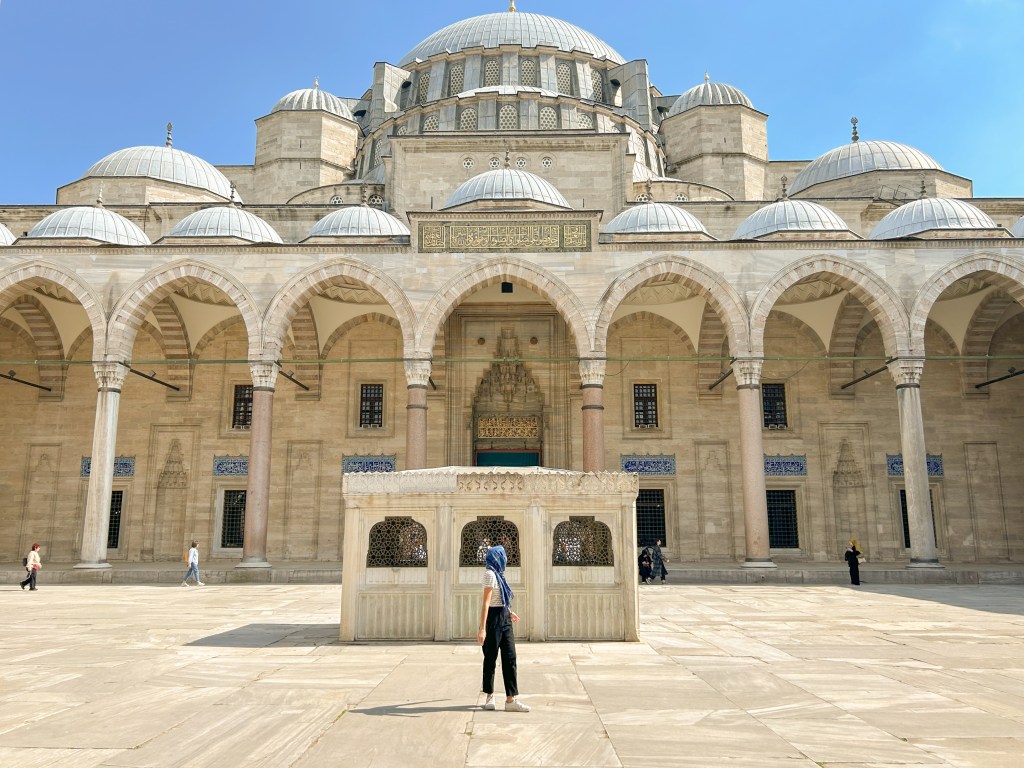
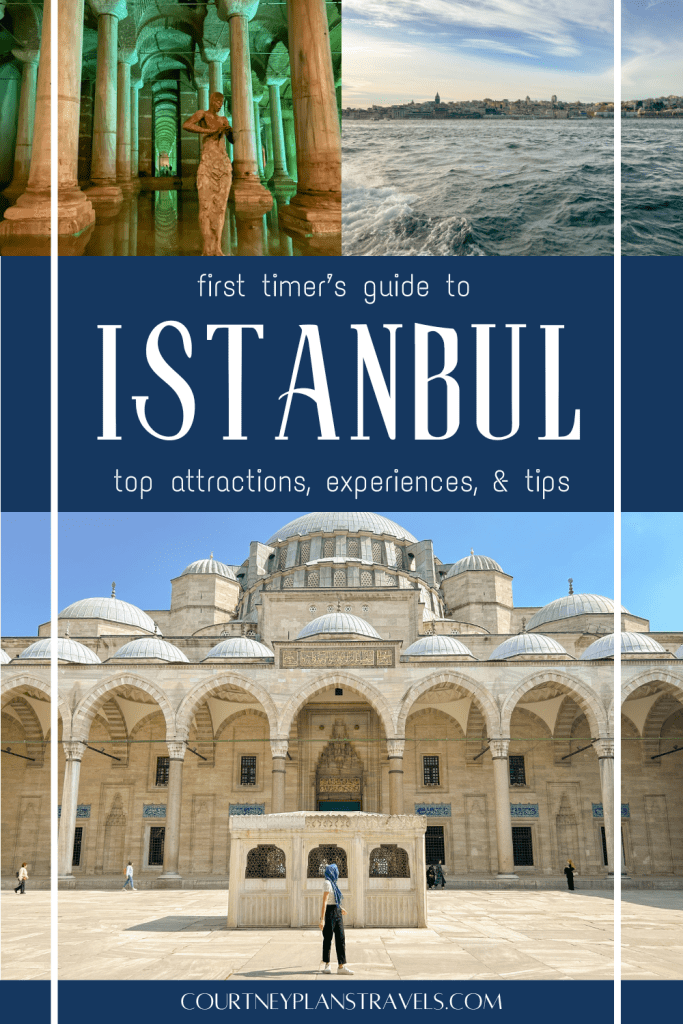
Welcome to Istanbul – the crossroads between the East and West! Formerly known as Constantinople, Istanbul is the largest city in Turkey. It is located in the northwest of the country on the Bosphorus Strait and it lies on both the European and Asian continents. The city is steeped in history as it was the capital of not one, but two grand empires: the Byzantine and the Ottoman. Few other cities have as much of a historical significance and prominence as Istanbul.
In this sprawling metropolis you’ll find awe-inspiring houses of worship, a never-ending maze of charming streets, and evidence of all the diverse people who’ve inhabited this city before. Istanbul really does have something for everyone. Imagine what the life of a royal Sultan was like in Topkapi palace, grab a Turkish coffee at one of the many cozy cafes that dot the city, shop to your heart’s content at the historic bazaars and modern shopping streets, or gain some new perspectives at one of Istanbul’s many grand mosques.
This guide details all the attractions and experiences that you shouldn’t miss in Istanbul. Read on for my recommendations on sightseeing & attractions, mosques, activities, and markets!
- Sightseeing & Attractions in Istanbul
- Mosques of Istanbul
- Activities & Markets in Istanbul
- My Thoughts on Istanbul
- Conclusion
Sightseeing & Attractions in Istanbul
Topkapi Palace & Hagia Irene
Price: ₺1,500 combination ticket
Topkapi palace was built in 1478 by Sultan Mehmet II and was the royal residence of the Ottoman empire for 400 years. This is where the Sultan and his family lived and it also served as the administrative center of the Ottoman empire. Inside you can visit the grand courtyards, pavilions, and ceremonial rooms filled with treasures and artifacts. The most interesting part of the palace is the Harem which was the living quarters of the Sultan and his family.
The Hagia Irene is the oldest Byzantine church in the city. It is located within the palace courtyards and is one of the few churches in Istanbul that has not been converted into a mosque.
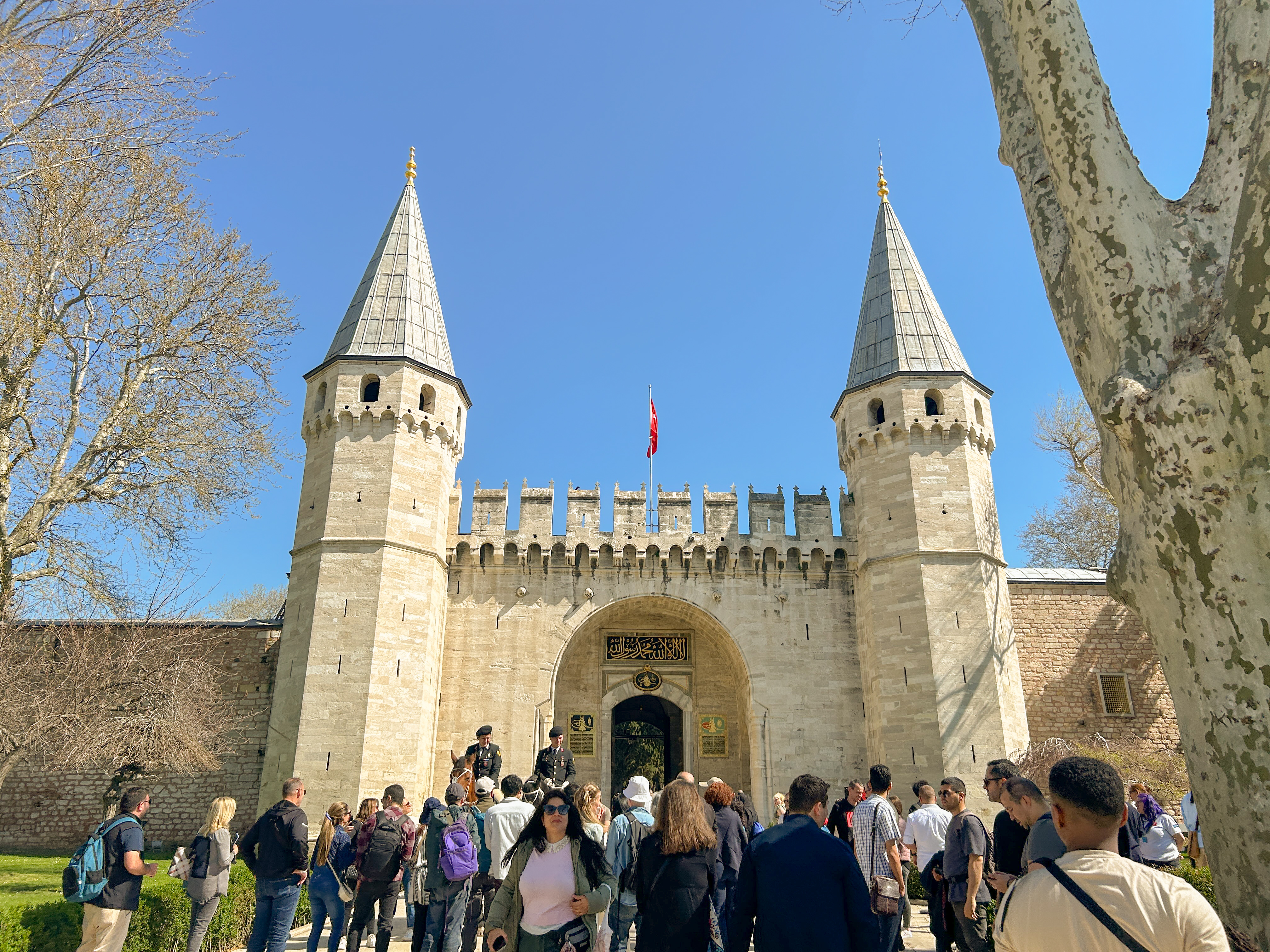
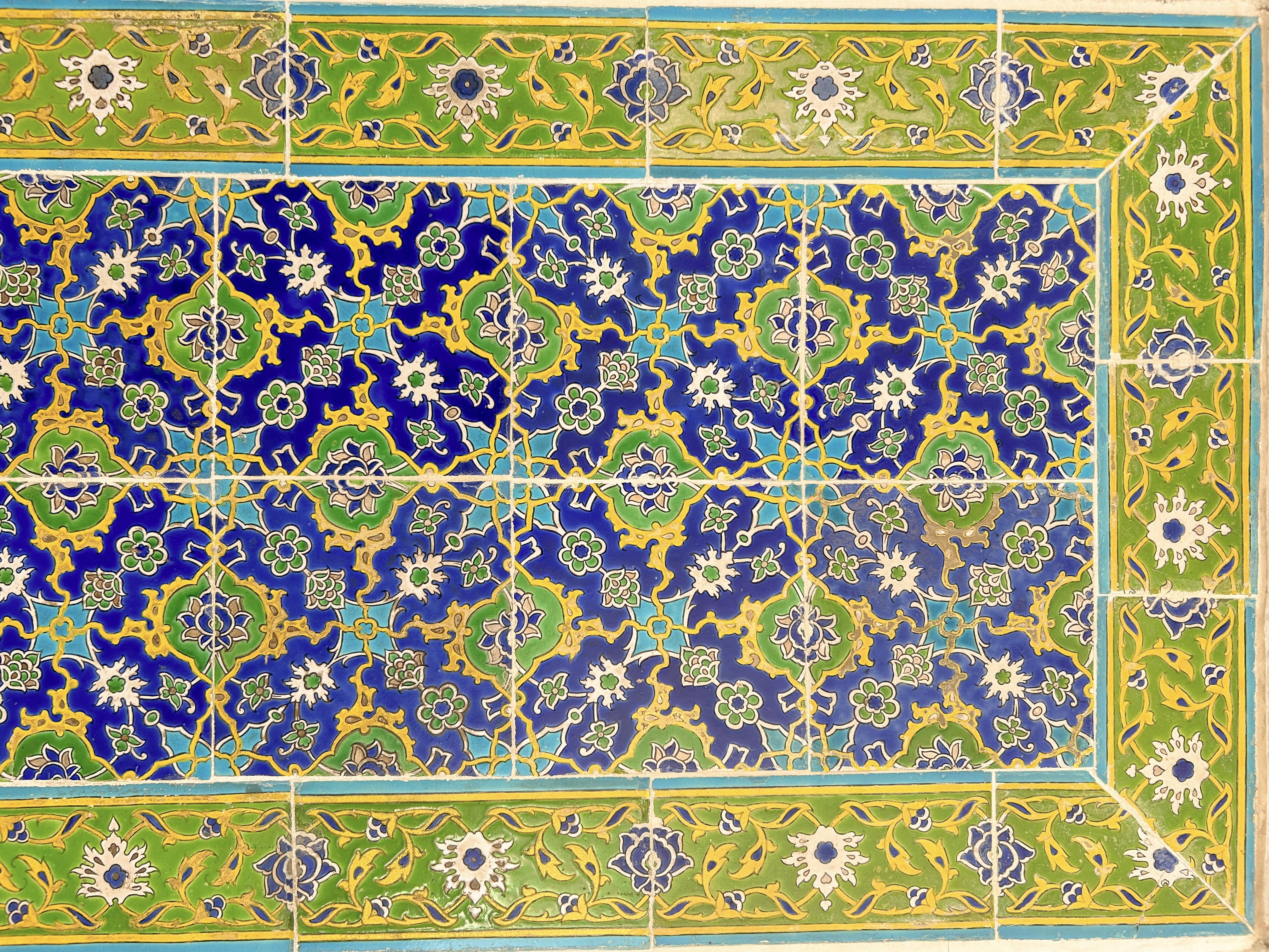

Put simply, the Topkapi palace complex is massive. I recommend setting aside at least half a day to visit everything the palace has to offer. This includes the palace itself with its numerous exhibitions, the Harem, and the Hagia Irene.
While you can purchase tickets for the palace, Harem, and Hagia Irene separately, the prices are so high for each individual attraction that it makes the most sense to purchase the combination ticket. Your ticket comes with a free audio guide and it does not require headphones. I will say, it is a very pricey sight to visit, coming in at just over $45 USD per person. Comparative to the price of most other major attractions around the world, the palace is massively overpriced. But I do think it’s worth a visit if you have the time and money.
Tip: You are required to leave a passport or ID as collateral for the audio guide. They do NOT accept student ID’s and you have to provide one ID per audio guide, even if you’re in the same party. I would suggest bringing your driver’s license (bonus points if it’s expired, I didn’t see them check the date) and leaving that as opposed to your passport. Additionally, there is one section of the palace that houses holy Islamic relics. Women are required to wear head coverings in this portion so bring your own in your bag.
Grand Bazaar
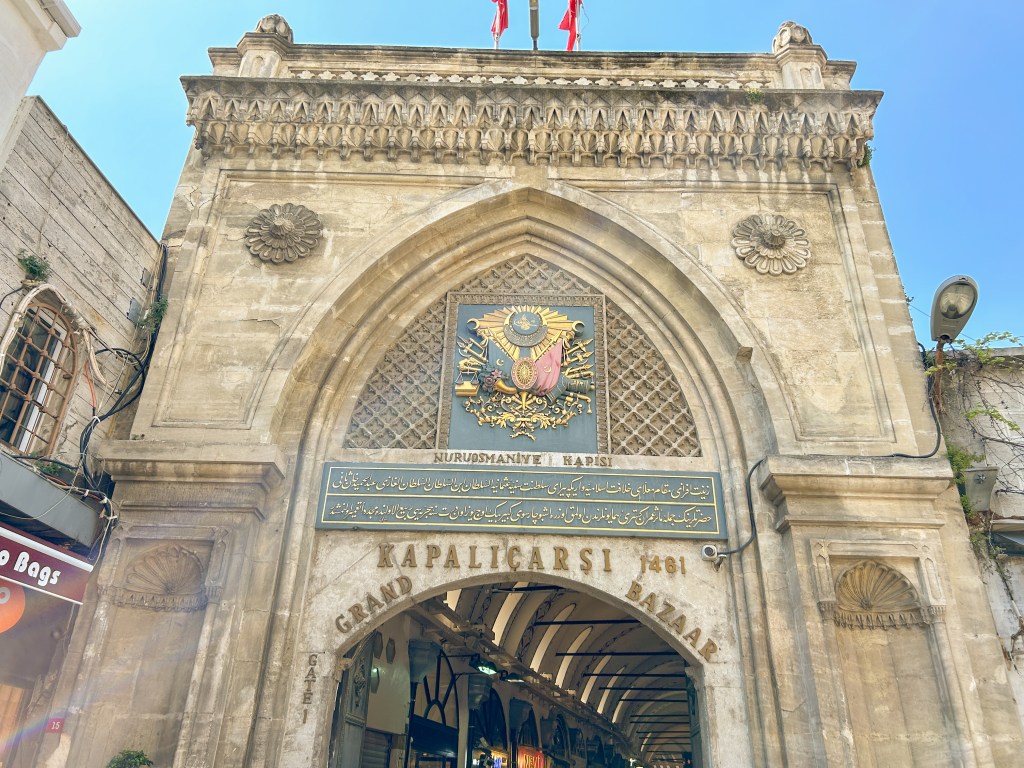
A trip to Istanbul wouldn’t be complete without a visit to the Grand Bazaar. The Grand Bazaar is the world’s oldest shopping mall and is filled with four thousand shops. Yep, it’s massive. Inside you can find bright Turkish lanterns, rugs, antiques, ceramics, spices, Turkish delight, baklava, and more. The market is mainly organized by the product that the vendors are selling. I wouldn’t suggest buying anything within the bazaar because it’s all overpriced and aimed at tourists. In fact, I didn’t spend a whole lot of time here because there are a lot of shops selling the same items so it’s pretty repetitive.
Basilica Cistern
Price: ₺650
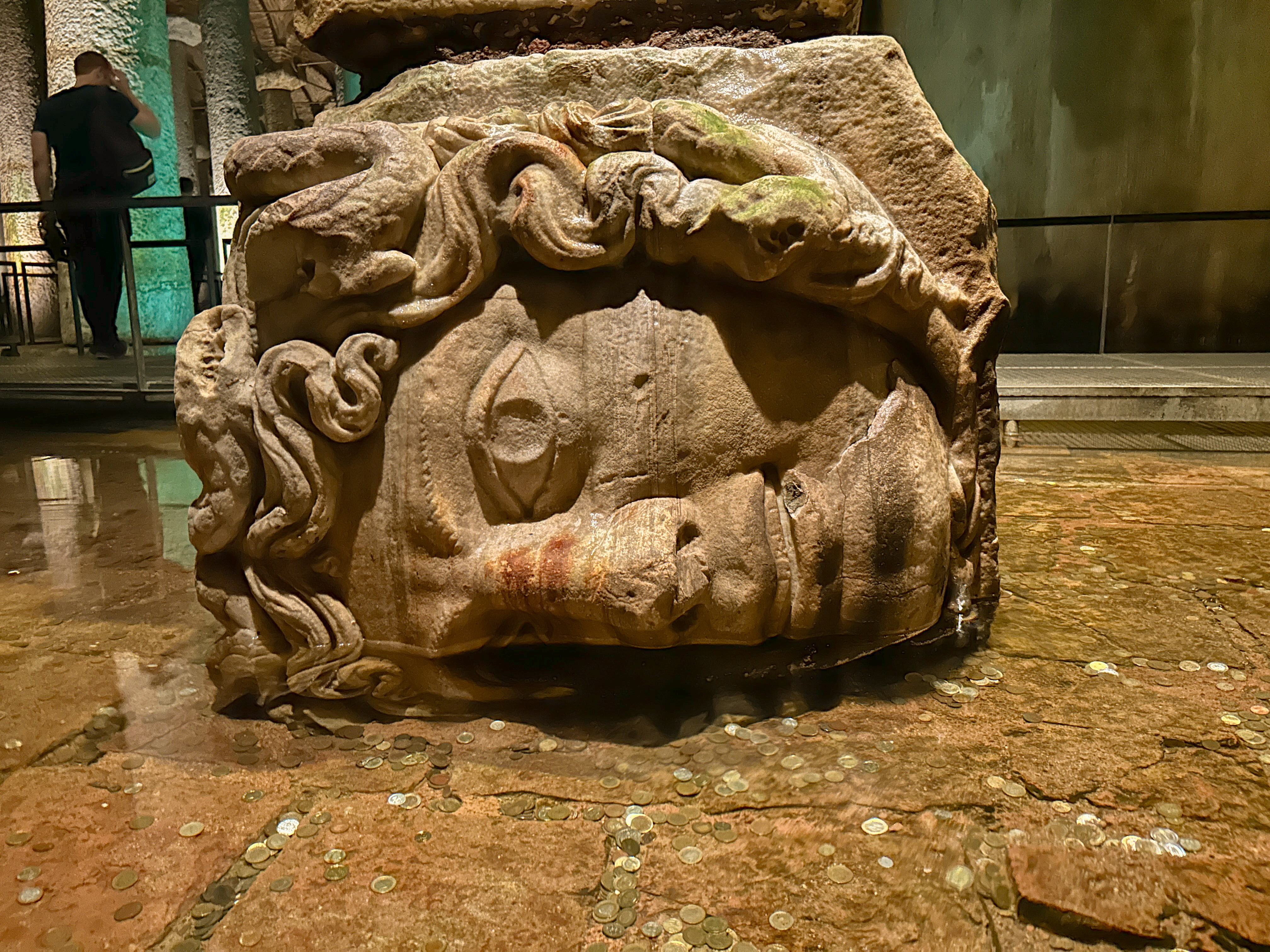
The Basilica Cistern is a large underground chamber that historically provided Constantinople with water. It was built by emperor Justinian in 532 and is the largest ancient cistern in the city. The cistern is supported by 336 columns and features interesting carvings such as a medusa head underneath one of the columns. Today the cistern has only a small amount of water underneath the walkways. There are multicolored lights the color the giant room as well as some modern art sculptures.
Of all the paid attractions I visited in Istanbul, I have to say this one is the most disappointing. It costs $20 USD per person and just isn’t worth that price in my opinion. Despite being large, there isn’t a whole lot to look at. We took our time, read all the informational gourds, and were in and out in 30 minutes. If you’ve been to Rome or seen other Roman ruins elsewhere, I would suggest skipping this attraction and saving your money.

Galata Tower
Price: €30
The Galata Tower was built in 1348 and over the years has functioned as a watch tower, a prison, a meteorological observatory, and a fire detection tower. The tower is a pretty iconic symbol of Istanbul and offers panoramic views of the city from the top, which is nearly 67 meters tall. The tower currently houses a museum with artifacts from all periods of Istanbul’s history.
I was not able to visit the Galata tower as it was closed for restoration when I visited. You can check the status of the tower here. However, based on my research, I don’t think I would have paid to go in anyway. From my understanding, the entrance fee used to cost ₺650 (€18) and has now been increased to €30 per person. If this is correct, then the Galata Tower is charging more than the Hagia Sophia! That’s ridiculous in my opinion. I would suggest just visiting from the outside.
Hippodrome of Constantinople
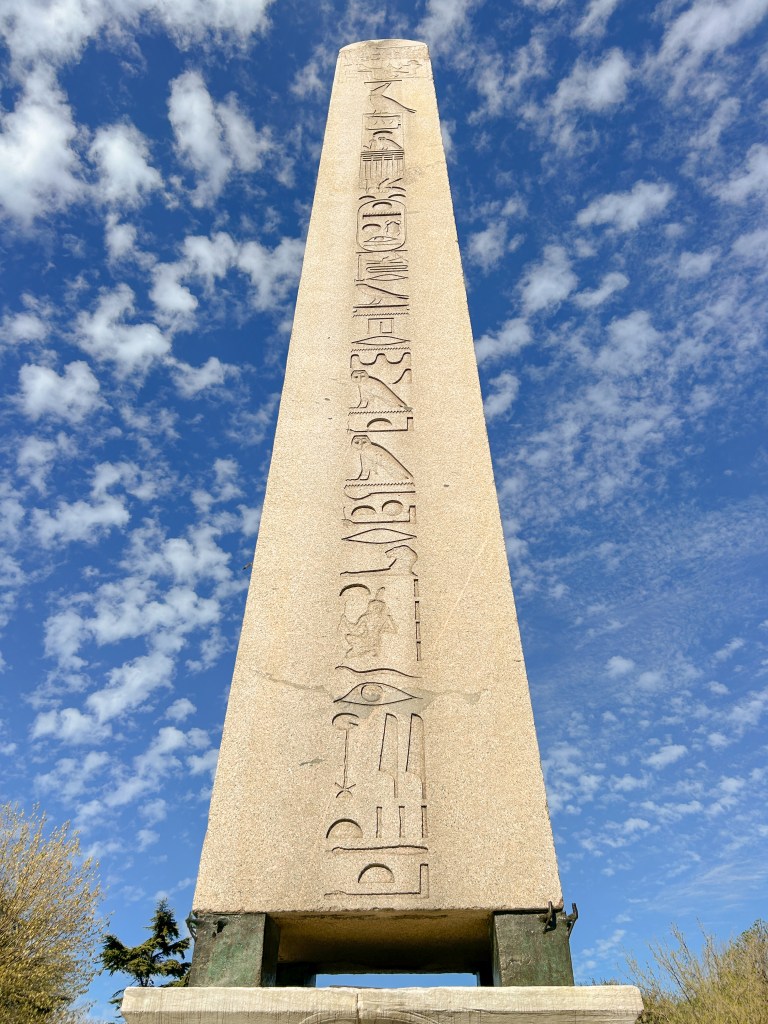
The hippodrome of Constantinople was used as a public arena throughout the city’s history. The hippodrome served as the arena for chariot races, official ceremonies, celebrations, etc. It is located right next to the Sultan Ahmed Mosque so don’t miss it! You can visit two massive obelisks, a serpent column, and some statues.
Golden Gate / Yedikule Hisari
Price: ₺100
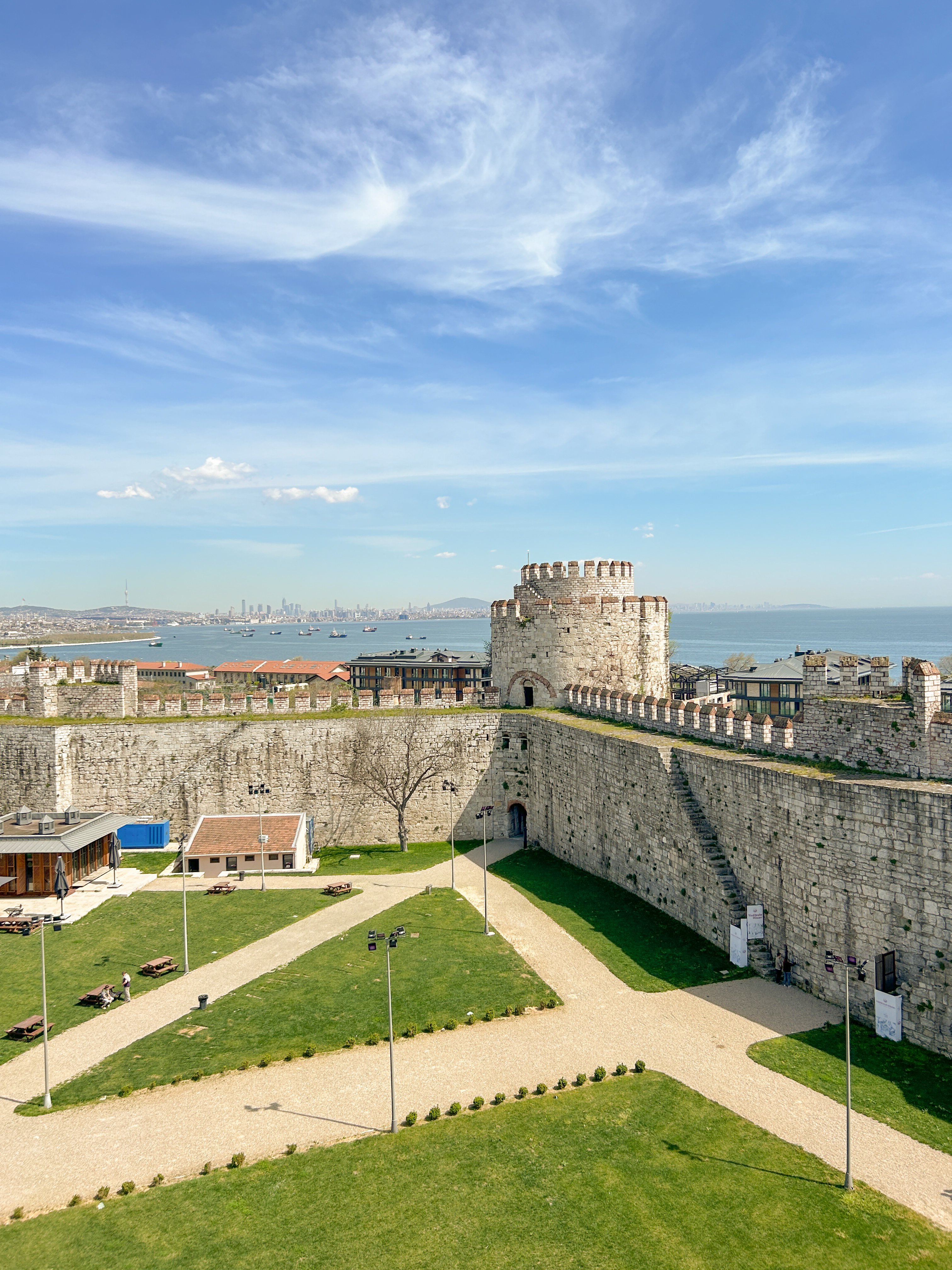
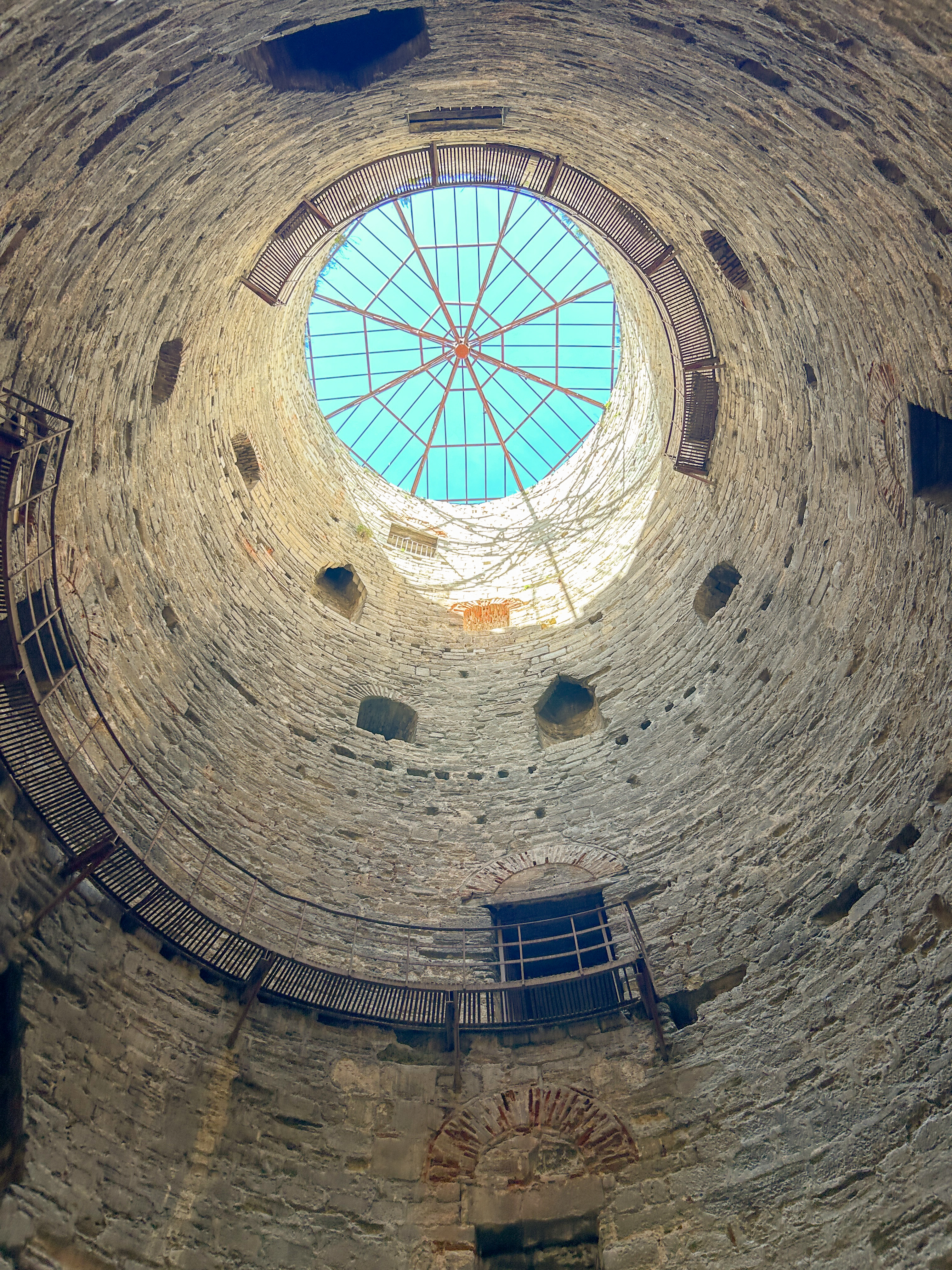
The Golden Gate was the gate that marked the beginning of the main street of Constantinople. The gate was built at the end of the city’s Theodosian walls in 413. It was a spectacular gate that welcomed home victorious emperors from war. Eventually a fortress, called Yedikule Hisari, that enclosed the gate was erected and still stands to this day. The fortress served as a prison and a treasury.
The Golden Gate is located a little ways outside of the main tourist area of Istanbul. But if you’re interested in history or have some extra time, I would suggest giving it a visit. There are very few tourists here and you can climb to the top for great views of the city. It’s accessible via the metro or the city bus.
Pierre Loti Tepesi (Hill)
This hill, located near Eyüp Sultan Mosque, overlooks the Golden Horn and offers panoramic views of the seven hills. The slopes have been used as cemeteries since the Ottoman period. You can climb the hill by cable car or walk through the stone-paved pathway through the graveyard. It gets its name from the famous French author Pierre Loti, who used to sit at cafes and write novels here.
I didn’t make it to Pierre Loti hill so I can’t offer my own insights, but if I had time I would have gone. I read lots of positive reviews in my research so I wanted to put it on this list. I think it would be an excellent spot to watch the sunset.
Mosques of Istanbul
General Tips for Visiting Mosques
When visiting mosques, you should respect the religion and dress conservatively. For women, this usually means covering your legs and arms and wearing a headscarf. Additionally clothing should be loose fitting, so avoid leggings. For men, this usually means covering your knees and shoulders.
Mosques are typically closed to tourists during prayer times, which includes around one hour prior to prayer being called. As such the best time to visit most mosques is typically between 09:00 and 12:00. Additionally, Friday prayer is mandatory for men so mosques are very busy on Friday afternoons.
Hagia Sophia
Price: €25
The Hagia Sophia is the number one sightseeing attraction in Istanbul. Located in Sultanahmet Square, the grand mosque was originally built as a church by emperor Justinian I in 537. It was the largest building in the world for nearly 1,000 years and has undergone many changes since its construction. It has served as a church, museum, and mosque, all of which is evident on the inside. A visit to the Hagia Sophia includes viewing Christian mosaics, Islamic calligraphy, and incredible architecture.
For more information on how to visit the Hagia Sophia, including recent tourist updates and tips for visiting, read my post here.
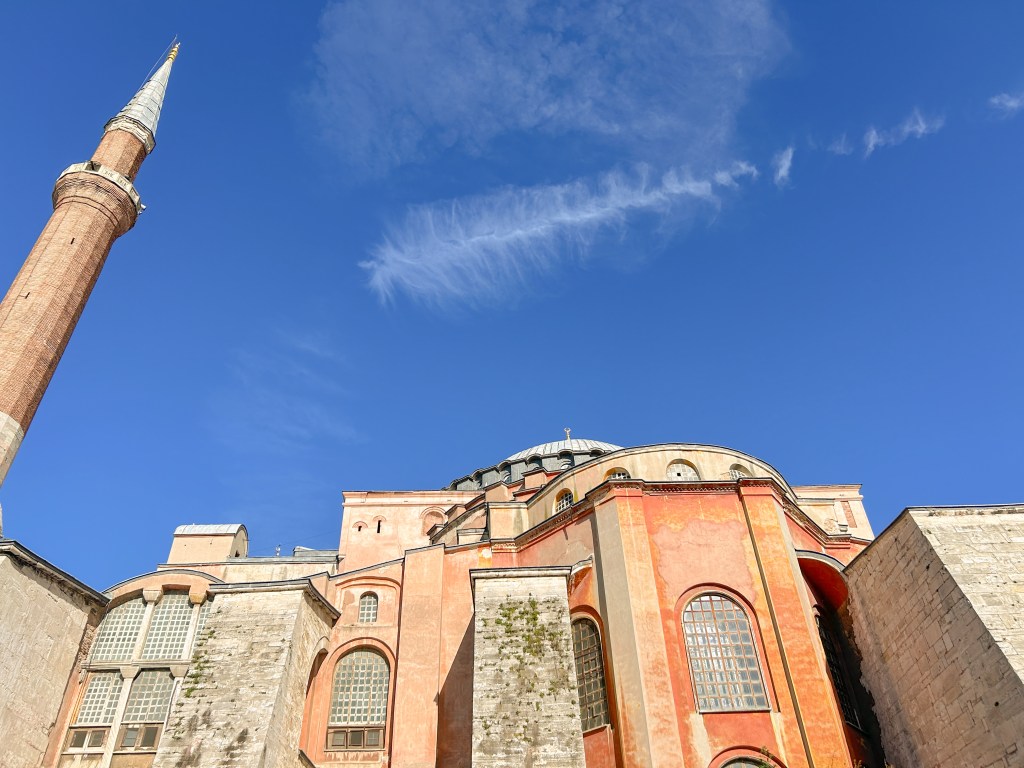
Sultan Ahmed Mosque (Blue Mosque) & Sultan Ahmed Tomb
Sultan Ahmed Mosque, colloquially known as the blue mosque, is located directly across from the Hagia Sophia in Sultanahmet square. It was built between 1609 and 1617 as a complement to the Hagia Sophia. The mosque is massive and gets its nickname from the 20,000 handmade ceramic Iznik tile decorations, featuring many different tulips, rose, carnation, and lily designs, inside. These designs are well lit by the 260 windows found inside. Given its beauty and central location, it’s very popular with tourists and can be very busy. I would suggest visiting either earlier or later in the day, avoiding prayer times.

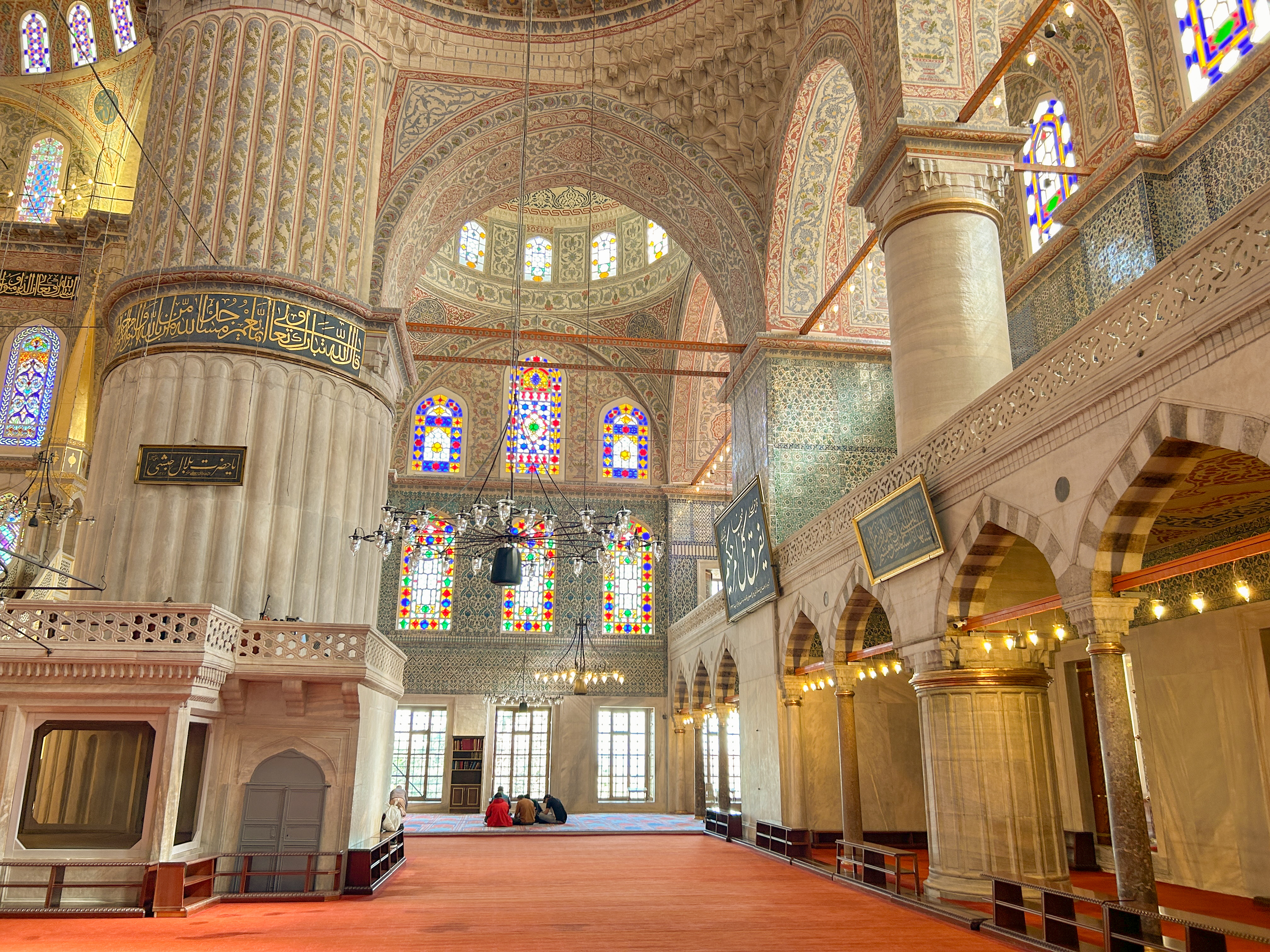
A short walk outside of the blue mosque is a türbesi, or tomb, that houses Sultan Ahmed I himself along with two other Ottoman sultans. If you’ve never been inside the resting place of a sultan, let me tell you, it’s one of a kind. Inside are velvet covered sarcophagi decorated with ornate designs. The walls are covered in colorful Iznik tiles that you can see in detail up close. I personally enjoyed this tomb more than the blue mosque itself. I’d never seen anything like it before and I loved seeing all the beautiful tiles.
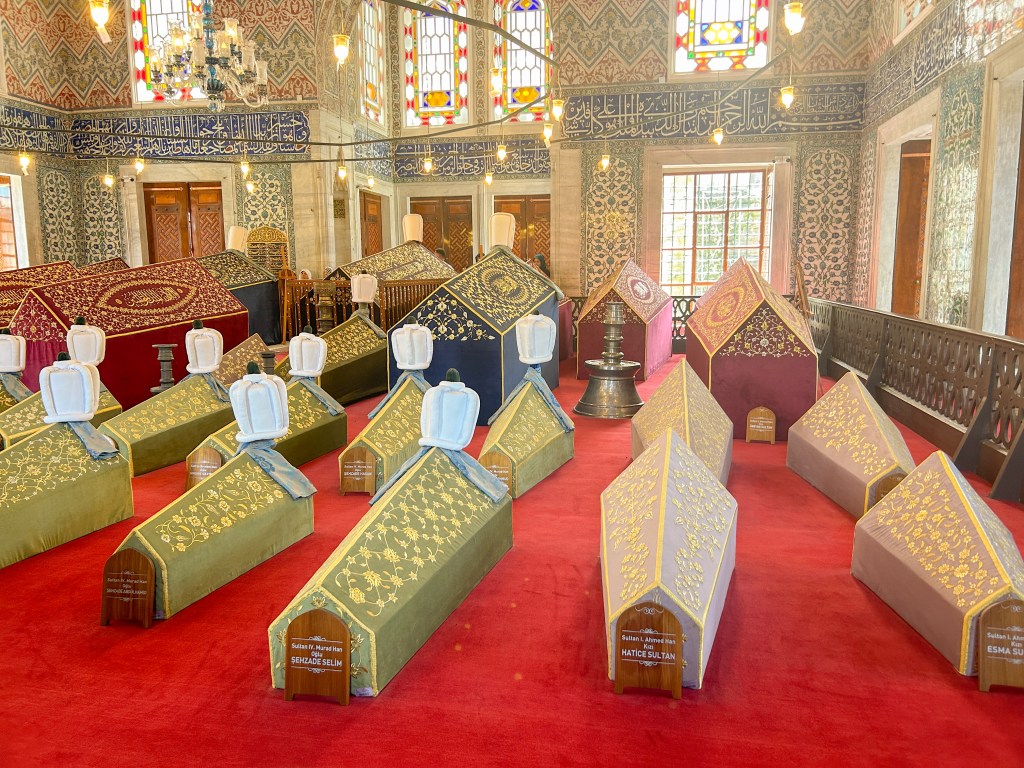
Süleymaniye Mosque
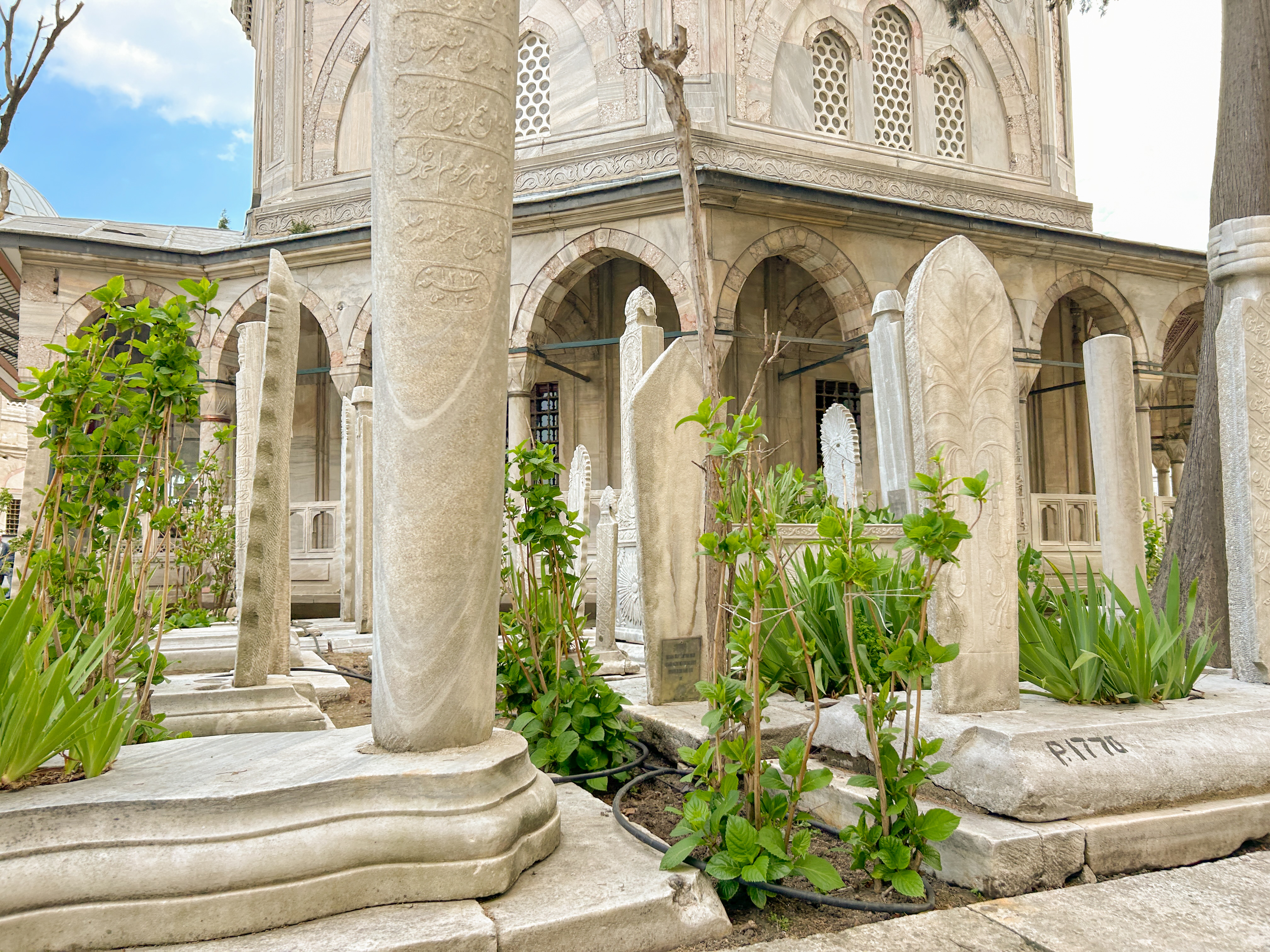
If the crowds of the Sultan Ahmed mosque were off putting to you, then I suggest making your way to Süleymaniye Mosque. Located up on a hill, this mosque is just as magnificent as the Sultan Ahmed mosque but with fewer visitors. Built in 1557, this mosque dominates your field of vision in glistening white as you approach from below. The inside is simple but beautiful, full of red and gold colors and wonderful geometric patterns. On the grounds you can find the türbesi of Sultan Suleyman the Magnificent, who commissioned this mosque, and his wife. Given its location atop the third hill of Istanbul, this mosque has pretty nice views of the city and the Bosphorus Strait.
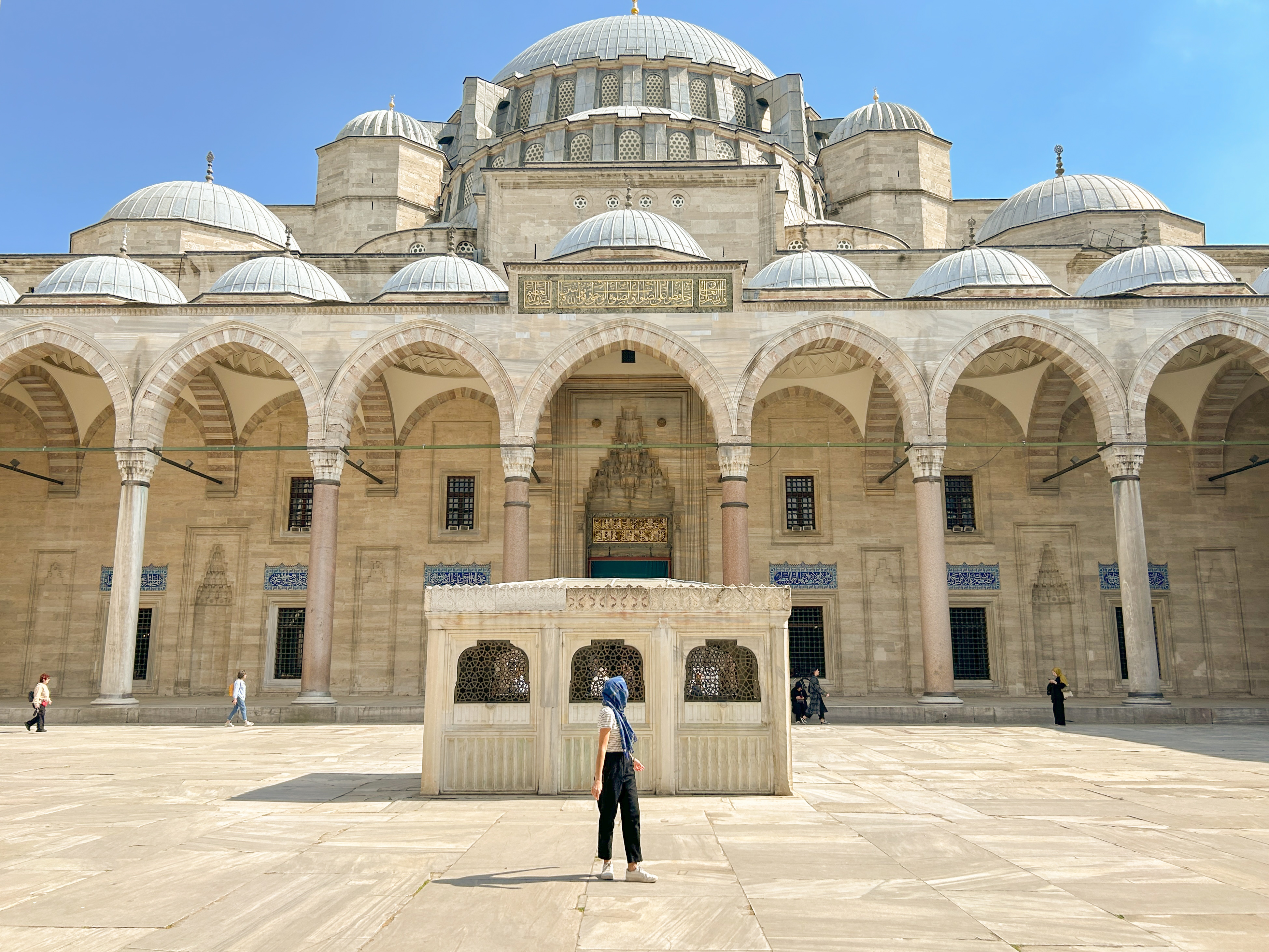

Rustem Pasha Mosque
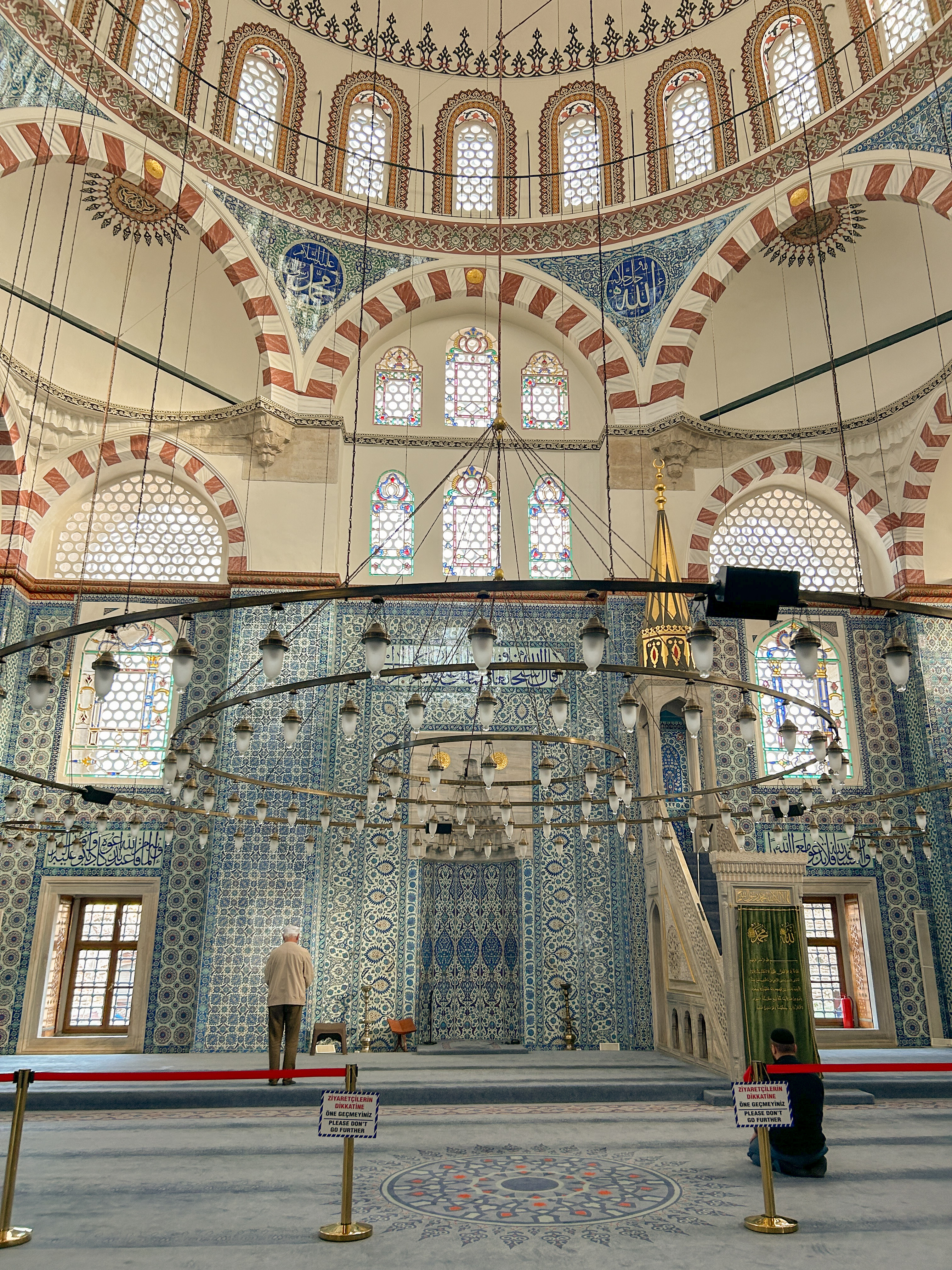
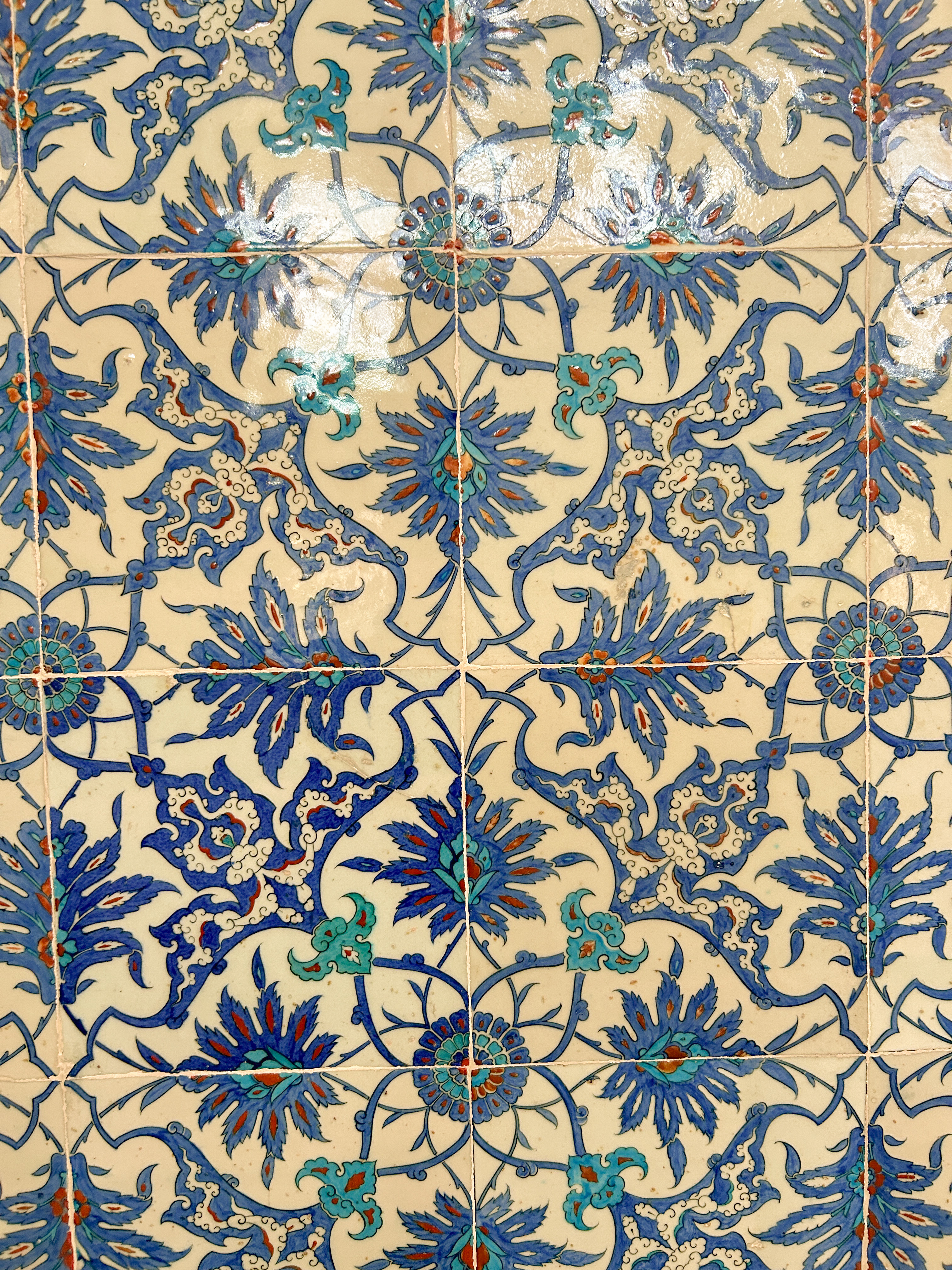
The Rustem Pasha mosque, built in 1563, is very small and somewhat hard to find the entrance to. Some might call it a hidden gem. It’s cleverly tucked away in the busy area of the spice bazaar. If you manage to make your way inside, you will be rewarded with an interior much more blue than the blue mosque. The tile work, all hand painted, was the most impressive that I saw in all of Istanbul. Almost every surface in the mosque is covered in various shades of blue, turquoise, and scarlet colored tiles in geometric and floral patterns. It is quite intimate inside which allows you to really take in the atmosphere.
Kariye Mosque
The Kariye mosque was formerly the Church of St. Savior in Chora. The church has been built, rebuilt, and renovated several times. Many believe that it was first built sometime in the 6th century during the rule of the Byzantine empire. The mosque has some of the best preserved Byzantine mosaics and frescoes in the world.
The building has been closed for restoration and conversion from a museum to an active mosque since 2020, so I was unable to visit. However, I believe as of May 6th, 2024 it is officially open again to worshippers and tourists. I can’t comment on how much tourists are able to see now that it is an active mosque but I think it’s worth checking out.
Activities & Markets in Istanbul
Cruise on the Bosphorus Strait
One of the best ways to see Istanbul is from the water. Hop on a cruise or the public ferry on the Bosphorus Strait to see the city from a new perspective! It’s so cool to see all the mosque minarets poking out of the density of the city. You can also see all the iconic sites, such as the Hagia Sophia, Topkapi Palace, and Sultan Ahmed Mosque from the water.
Being on a budget, I think the best way to cruise the Bosphorus Strait is by taking the public ferry! I took the ferry from Karaköy (on the European side) to Kadiköy (on the Asian side) but there are a number of ferry routes that take you between the continents. Other popular ports include the Eminonu ferry terminal on the European side and the Uskudar ferry terminal on the Asian side. Ferries run every 15-20 minutes and take about 30 minutes to cross the strait. Tickets are very affordable, ranging between ₺10-15 each way. You can use your Istanbulkart or the ticket machines to purchase a ticket.

Experience a Whirling Dervish Ceremony
My absolute favorite thing I did in Istanbul was watch an authentic whirling dervish ceremony. Whirling dervishes are part of a mystical form of the Islamic religion called Sufism. In Sufism, followers attempt to attain closeness to God by looking inward. In this case, they perform a ceremony in which followers spin methodically to music in order to become close to God.
There are a lot of options in Istanbul for seeing the ceremony, but most of them are put on specifically for tourists and are more of a performance than a religious ceremony. After a lot of research, I came upon a group that performs a ceremony once per week in a Sufi Monastery. They invite tourists in and it is a truly authentic experience. I wrote an entire post on how to experience an authentic whirling dervish ceremony here, so if you’re interested check it out!

Sahaflar Carsisi (Book Bazaar)
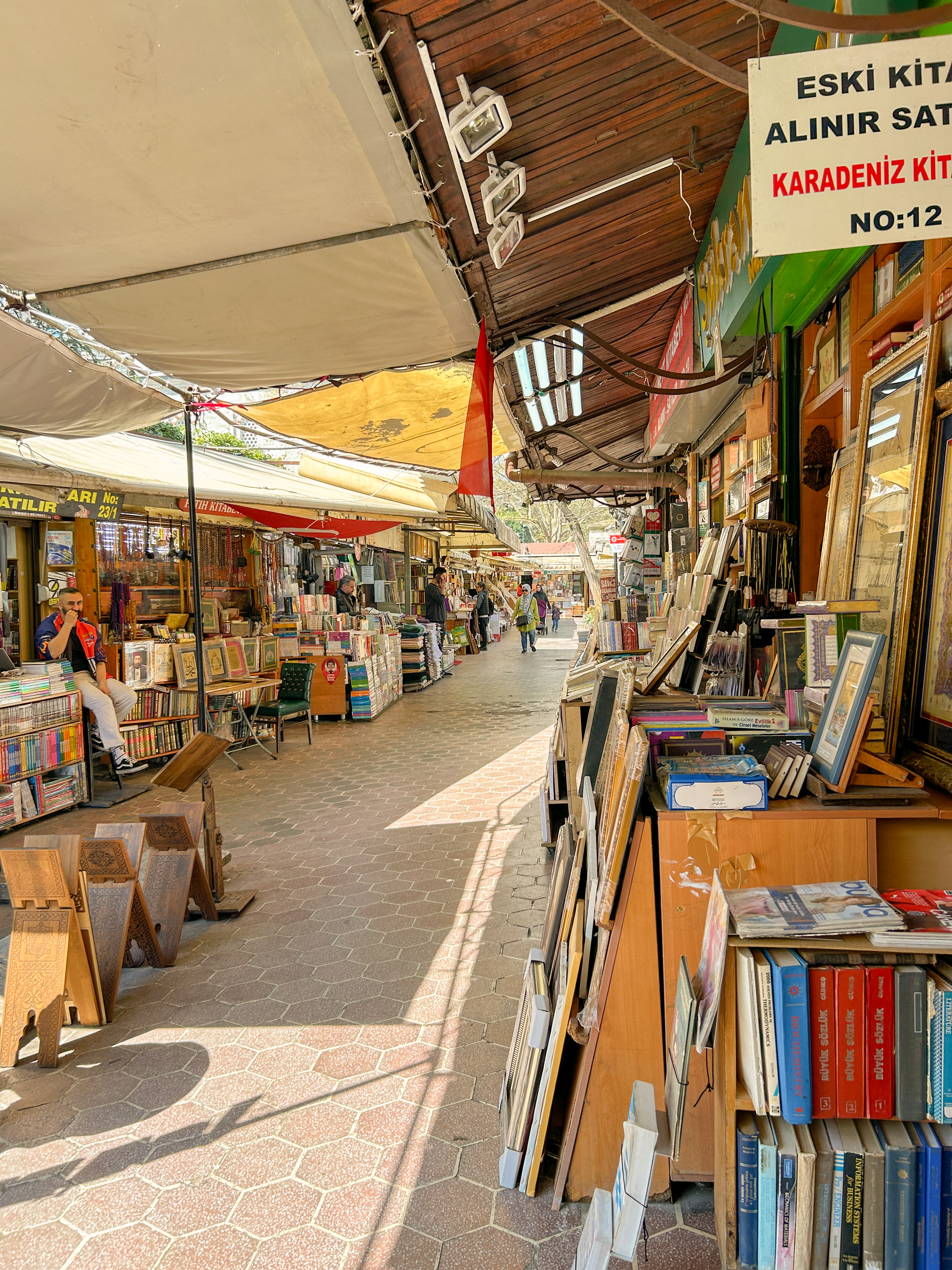
The book bazaar is located right near the Grand Bazaar. The bazaar has many bookstores lined up against each other selling old, rare, and antique books. It is one of the oldest markets in the city and has been a paper and book market since the Byzantine era. It’s a cool spot to walk around for the atmosphere, but don’t expect to find many books in English.

Egyptian Bazaar (Spice Bazaar)
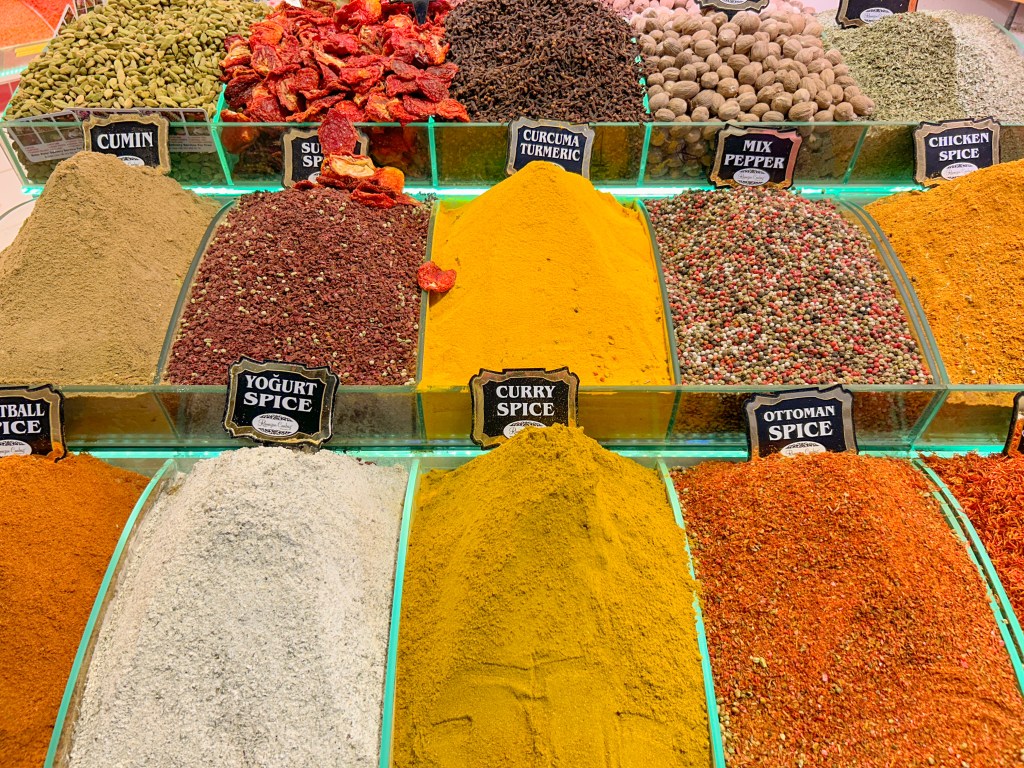
The spice bazaar area was my favorite bazaar in Istanbul. Located in Eminonu, this covered bazaar was built in 1664 and offers any spice you can imagine for sale. It’s fun to walk around inside, but it is very expensive and full of tourists. Instead, make your way to the area outside of the bazaar and look at the spice shops there. The prices drop tremendously and you can see that this is where the locals do their shopping. There are still some tourist traps sprinkled around, so pay attention to who exactly is shopping in which shops. If you see a lot of locals in one shop, it’s probably the real deal, and the prices will reflect that. I ended up purchasing a couple of spices for a really good deal. I think spices are a great souvenir because they will actually get used instead of ending up in a landfill after a month or so.
My Thoughts on Istanbul
Overview
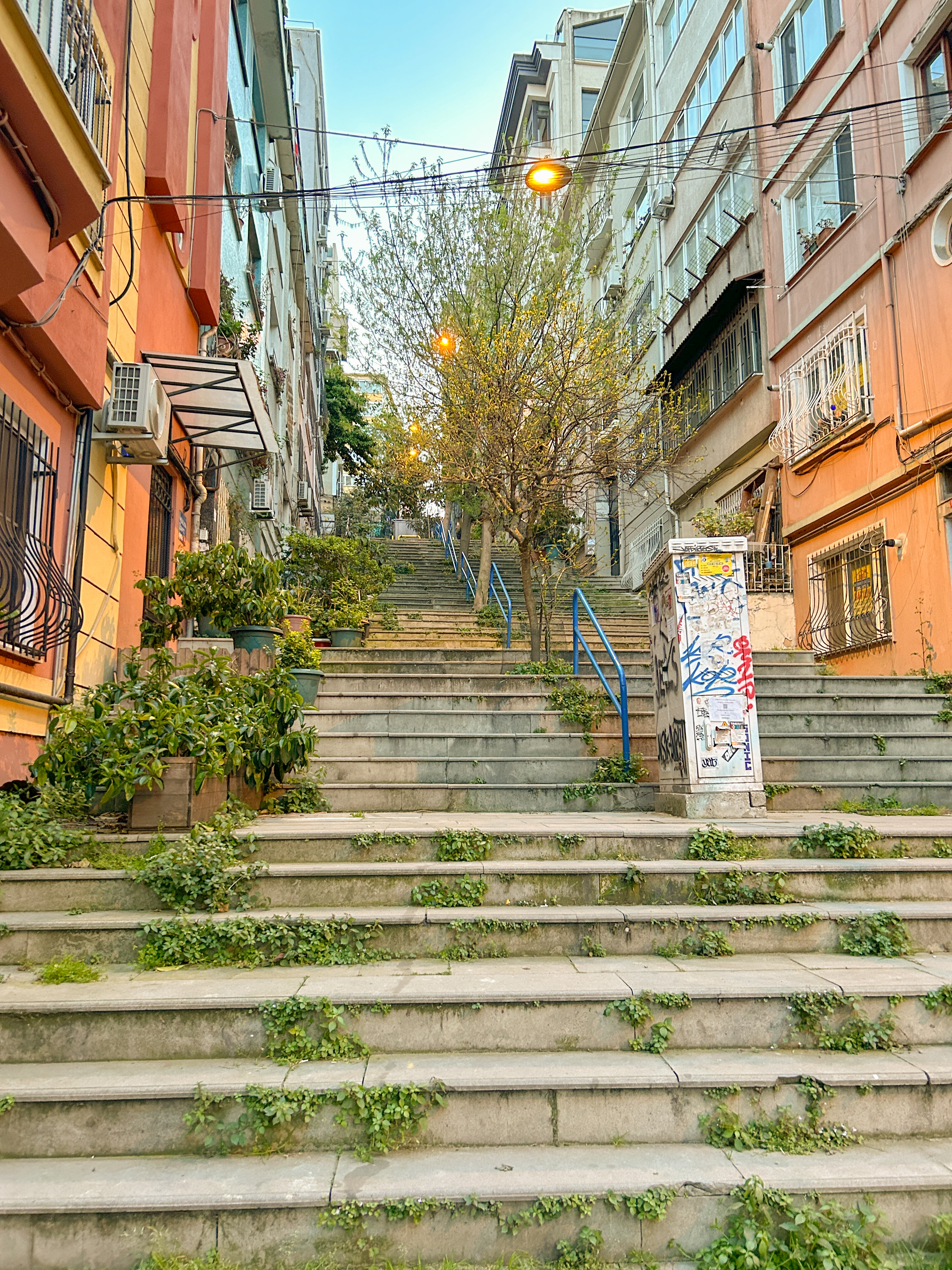
Personally, I found Istanbul to be a fascinating city. It’s a place that I would definitely go back to, even after having already seen most of the main attractions. I loved the unique blend of cultures and the never ending list of things to see and do. It felt like every street you walked down was a little treasure hunt sprinkled with cats and cafes. I felt safe everywhere in the city (except near Taksim Square at 03:30 am which was a little sketchy) and overall had a wonderful time. I highly recommend visiting!

Prices
The one big problem I had with Istanbul was the cost of tourist attractions. If you couldn’t tell by my comments throughout the post, I think the major attractions in Istanbul are ridiculously overpriced. I understand that the city has been battling over tourism, and this is likely the result. However, when you compare the price of most attractions to 1) the price of food, accommodation, and transportation in the city and 2) the price of major tourist attractions in other cities around the world, it just doesn’t add up. It was also frustrating because a lot of these attractions either introduced or raised their prices very recently. Nonetheless, they can pretty much charge as much as they want and people will still pay. It just reduces access to people who are on a stricter budget.
Islamic Religion & Culture
I was actually very surprised by Istanbul in terms of how it felt compared to other Muslim majority cities I’ve visited. For a city that claims to be somewhere between 90-99% Muslim, it didn’t feel that way. Yes, there are mosques on every corner, and you hear the call to prayer every day, but it pretty much felt like many other large European cities. Though don’t get me wrong, I’m sure that it would still be a culture shock for anyone who hasn’t been to a country with a large Muslim presence before.
Based on my previous travels, I assumed that a much higher percentage of the population’s women would be dressed “modestly” and wearing a head covering per the religion. When I was in Malaysia and Indonesia, both very Islamic countries, every single woman I saw was dressed modestly and wore head coverings. I wouldn’t say that was the case in Istanbul.
I visited Istanbul during Ramadan, the holiest time of the year for Muslims. In accordance with the religion, I expected every restaurant to be closed from sunrise to sunset and I didn’t plan on eating while in public. But surprisingly, many restaurants were open during the day and I saw countless people eating and drinking in public during the day.
I found the mosques to all be extremely welcoming towards non-Muslim visitors. The tourism sector in Istanbul is very built up so it makes sense, but even so, everyone who worked or volunteered at the mosques was so kind. In the most popular mosques, there were lines on the floor or gates that showed where tourists should not cross. There were often separate tourist entrances. Even in some of the mosques I visited that were in neighborhoods and not frequented by tourists, I felt extremely welcome. One morning I visited a mosque and wasn’t sure if I was able to go in but the men who were there cleaning happily led us inside and even allowed us to the upper floor to admire the mosque. I appreciated their willingness to let outsiders admire and learn about their religion and culture.
Conclusion
Istanbul is a city rich with pretty much everything that people consider important; history, culture, architecture, art, religion… the list goes on. If you’re on the fence about visiting, take the leap and go for it! You won’t be disappointed. If you already have a trip on the books, check out my other posts to help you plan your trip to Istanbul!
How to Visit the Hagia Sophia in 2024
How to Experience an Authentic Whirling Dervish Ceremony




 Courtney Plans Travels
Leave a comment